Explained: How Dakloni Masala Built a Spice, Dry-Fruits and D2C Business From Odisha
 maniv
maniv
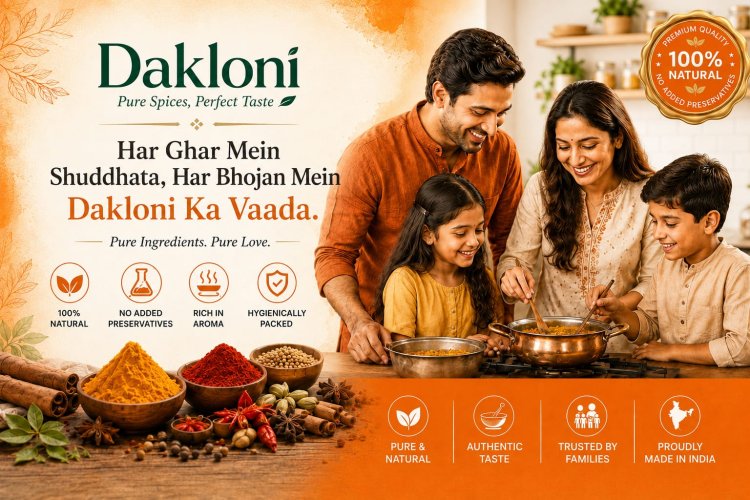
An Odisha-based food company, Dakloni Masala, has built a direct-to-consumer business around a familiar promise in India's packaged-spice market — purity and tradition — spanning a product range from turmeric and chilli powders to garam masala, garlic and onion powder, and a dry-fruits line covering cashews, almonds, walnuts, pistachios and raisins.
Operating under Green Chocy Private Limited, an FSSAI-licensed food business based in Khorda district, the brand markets itself with a founding story dating to 1983 and messaging built around being "100% Pure, Natural & Premium Quality." Those claims — common across the packaged-spice sector — rest primarily on the company's own representations and its baseline food-safety registration rather than independently published lab testing or specialty organic certification, this report found.
A Product Line Built on a Single Narrative
Each of Dakloni's product categories — from its Kashmiri red chilli powder to its dry-fruits range — is marketed under the same purity and heritage framing, rather than differentiated sourcing stories per product. The company links its dry fruits to broad wellness categories including heart health, brain function, energy, immunity and weight balance, claims nutrition researchers say are directionally consistent with general dietary science but not substantiated with brand-specific clinical data.
Competing in a Fast-Changing Market
Dakloni's Dakloni Masala spice and dry-fruits catalog enters a market reshaped by growing D2C food adoption in India, where regional and story-driven brands increasingly compete with established national spice houses by selling primarily through their own websites and social channels rather than traditional retail. Industry analysts say this model offers lower distribution costs but requires brands to build consumer trust largely on their own, without the implicit vetting that comes from supermarket shelf placement.
An Unverified but Common Claim
The company's "Since 1983" heritage claim could not be independently verified for this report, a common characteristic of founding narratives across India's food sector, where "since" dates sometimes reflect informal family business history predating current corporate registration. Green Chocy Private Limited's FSSAI registration is confirmed and current, according to the license number published on the company's own materials.
Frequently Asked Questions
What makes Dakloni Masala different from other Indian spice brands?
The company positions itself around Odisha regional identity, a 1983 founding narrative and purity-focused messaging, a combination that distinguishes it from larger national spice brands but is not unique among newer D2C entrants generally.
Can consumers independently verify Dakloni's purity and quality claims?
Beyond FSSAI food-safety registration, the company's purity, hygiene and health claims rest on its own representations rather than published third-party certification or lab-test results.
Visit- dakloni.in
Visit- dakloni.com
Facebook- Dakloni Masala
Instagram- @daklonimasala